History
Shining A Light
On Comedy Genius
Since 1981
The Edinburgh Comedy Awards are to emerging comic talent what the Oscars are to film. Granted the Oscars and the BAFTAs have each been going several decades longer. But when the ECA began in 1981 the BRITs were still a year away from being the music industry’s annual awards ceremony. The Turner Prize was three years away from prompting its first annual cry of “call that art?!”. Even theatre’s Olivier Awards weren’t trading under that name until 1984. And the British Comedy Awards, which for a while saluted newcomers and established talent alike in a televised annual ceremony? Long since been and gone.
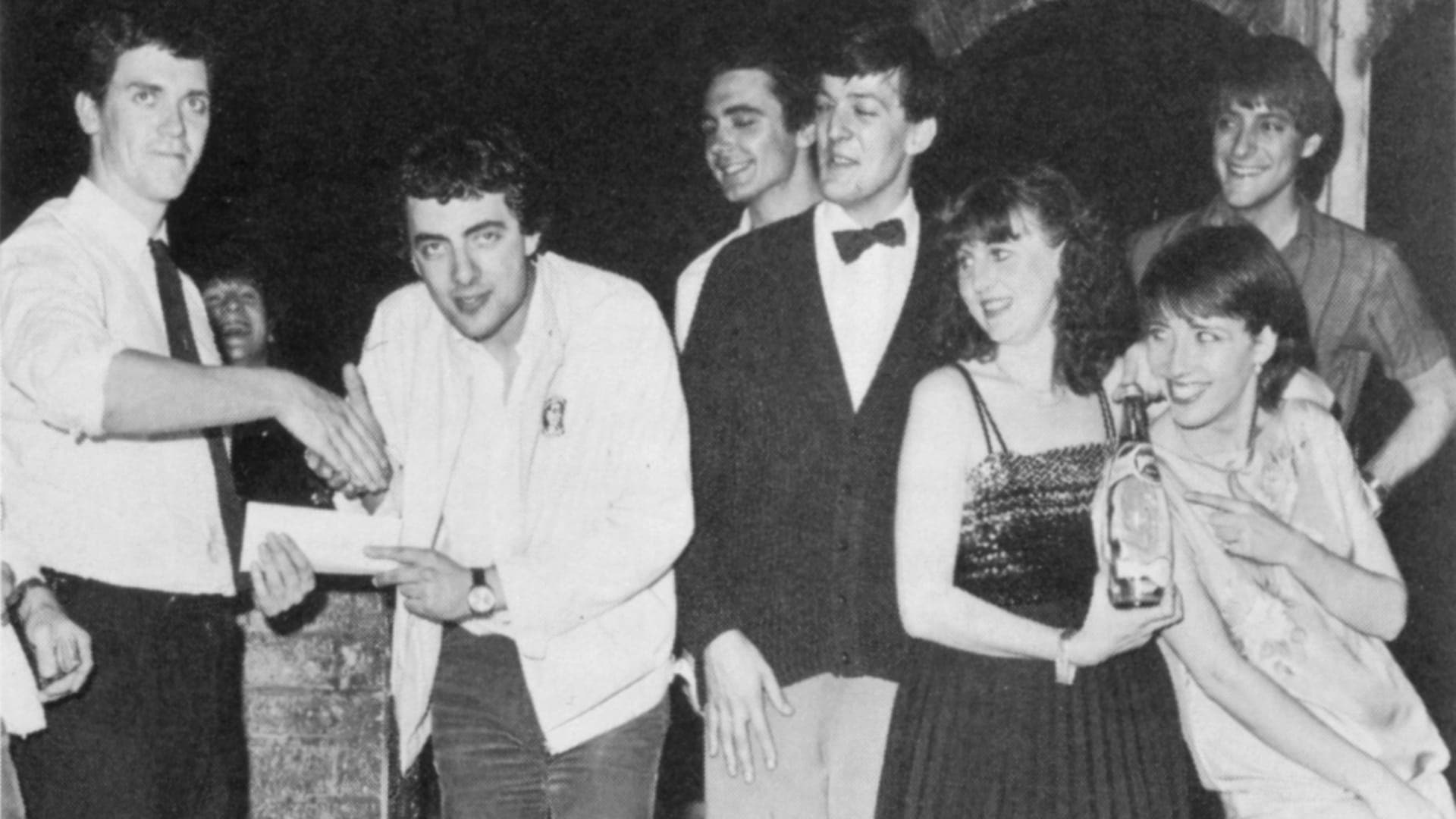
So as the Edinburgh Comedy Awards celebrate their 46th birthday, with the big 50 very much in view, they are not just long-established, they are a key part of the cultural calendar. An unparallelled way of getting new comedy into the spotlight.
That has meant many a standup tour. Many a TV comedy too: Black Books by Dylan Moran (1996 winner); The League of Gentlemen (1997 winner), Starstruck by Rose Matafeo (2018 winner); the impending Opening Up by Amy Gledhill (2024 winner). To name just four.
But also ECA winners have gone from cramped sweaty rooms in Edinburgh to wild success and influence around the world. Steve Coogan won the award in 1992, was nominated for two Oscars in 2014, in-between brought Alan Partridge to the world. Richard Gadd won the award in 2016, performing on a treadmill on the Free Fringe, and has since conquered the world with Baby Reindeer on Netflix. As did Hannah Gadsby (joint winner in 2017 with John Robins) with her winning show Nanette.
The bar was set high by the first winners, the Cambridge Footlights, which included three of the greatest talents of British film and television of the next few 25 years: Emma Thompson, Stephen Fry and Hugh Laurie. And if another former Footlighter, Tim Key, seemed like an unlikely choice of winner in 2009 – an act who dishes out poems and props while wielding a can of lager? – his success in 2025 with the film The Battle of Wallis Island shows how the boost from the awards can help lead comedians to extraordinary things. His co-star and co-writer on that film, Tom Basden, was also a winner: best newcomer in 2007.
How the awards track down world-conquering talent from many hundreds of eligible shows each year is a painstaking process we won’t bore you with here. But, in short: everyone who is eligible for both the awards gets seen. And everyone who gets shortlisted for the awards, let alone wins, has been seen and argued about at length by the entire ten-strong panel [of TV and radio professionals, journalists and public panellists].
Back then the awards were still known as the Perriers. Since 2006 Nica Burns, the producer and theatre owner (with Nimax) who took over their running from 1984 onwards, has guided them through various sponsors, sometimes supporting them financially herself too, to the point where everyone just knows them as the Edinburgh Comedy Awards.
Are there still controversies? Arguments and articles about the decisions the ECA has made this year? Of course. Same goes for the Oliviers, for the BAFTAs, for the Oscars. It proves these things matter What was it Stephen Fry once said: “the only thing worse than being talked about is not being talked about”? No, hold on, it was Oscar Wilde, Fry just played him so memorably in the 1997 film Wilde, 16 years after being one of the first winners of the Edinburgh Comedy Awards.
Dominic Maxwell, Comedy & Theatre Critic, The Times and The Sunday Times